
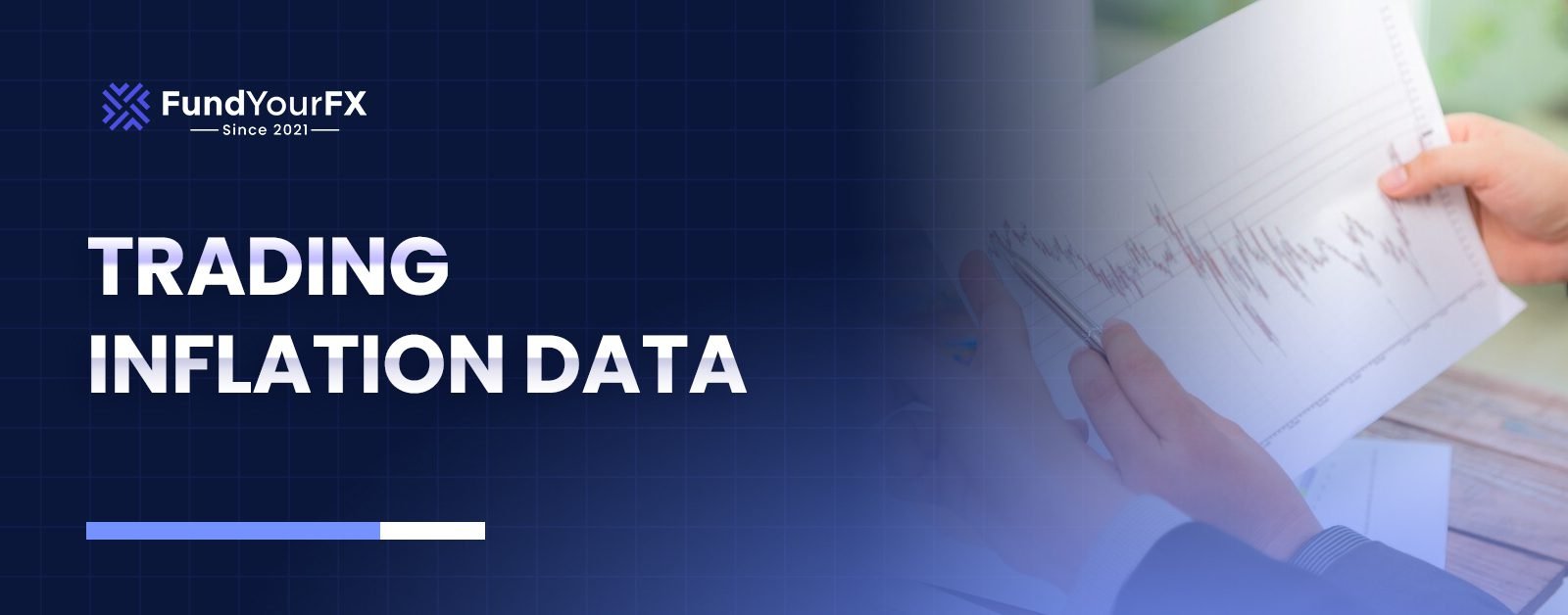
When trading inflation data, you’re assessing how shifts in prices impact various markets. This isn’t merely about analyzing statistics; it involves interpreting what these figures indicate for your trading strategy. Understanding how central banks respond to inflation — with hawkish or dovish signals — is essential for anticipating currency movements.
Understanding Inflation and Its Market Impact
Inflation significantly influences your investment decisions. When core inflation falls short of predictions, you’ll observe changes in inflation expectations. These alterations can lead to market volatility — understanding how to manage risk during these periods is essential.
If shelter and transportation costs grow at a slower pace, it suggests easing inflationary pressures. This could mean fewer interest rate increases, impacting bond yields and currency values.
Key Inflation Indicators for Traders
The core inflation rate (excluding food and energy) is the most watched figure. Using stop-loss orders can protect your capital when inflation surprises trigger market volatility.
Monitoring central bank policies alongside inflation data provides deeper insight into potential market movements. Pair inflation analysis with NFP data and earnings season impacts for a complete fundamental picture.
Strategies for Trading Inflation Data
Analyzing CPI releases requires comparing actual figures with forecasts. Discrepancies lead to significant currency fluctuations. It’s beneficial to look at specific sectors and use support and resistance levels for timing entries.
Trade during the most active sessions when CPI data is released — typically during the New York open. Focus on the most liquid pairs like EUR/USD and USD/JPY for the clearest reactions. Use proper position sizing and maintain favorable risk-to-reward ratios. Be aware of slippage during the initial spike in volatility.
Using Inflation Data to Forecast Economic Trends
Monitoring market sentiment alongside inflation data helps enhance the accuracy of your outlook. Align your strategies with changes in monetary policy. Understanding commodity-currency correlations adds another dimension — rising oil prices often signal future inflation, which can strengthen commodity currencies while weakening the dollar.
Include inflation analysis as part of your broader trading plan. Combine it with technical chart patterns for timing and volume analysis for confirmation. Manage your trading psychology — don’t let FOMO push you into trades before the data is released.
Conclusion
When trading inflation data, remain alert and ready to act swiftly. Watch key indicators like CPI and specific sectors. Use money management strategies to protect your investments. Avoid common trading mistakes like overleveraging during volatile releases. For traders wanting to trade inflation events with larger capital, consider becoming a funded trader through a prop firm.