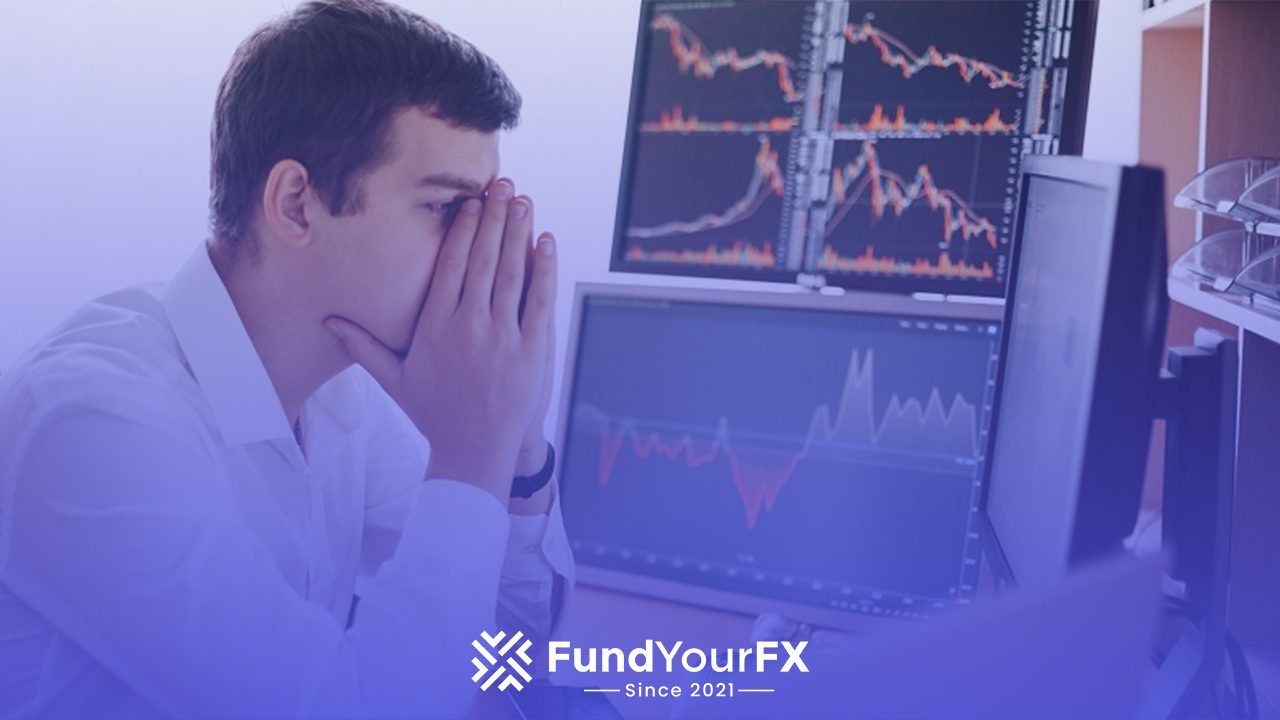
You often fall into common trading mistakes that can derail your success. Emotional trading clouds your judgment. Trading without a plan breeds impulsiveness. Ignoring risk management exposes you to unnecessary losses. Chasing performance can lead to inflated investments driven by FOMO. Finally, overconfidence after profits may blind you to potential risks. Recognizing these pitfalls is essential for improving your trading strategy.
Emotional Trading
Emotional trading is one of the most common mistakes, often leading to poor decision-making based on fear or excitement. Understanding trading psychology and practicing psychology exercises helps you maintain emotional discipline and avoid reactionary trades.
Recognizing Emotional Triggers
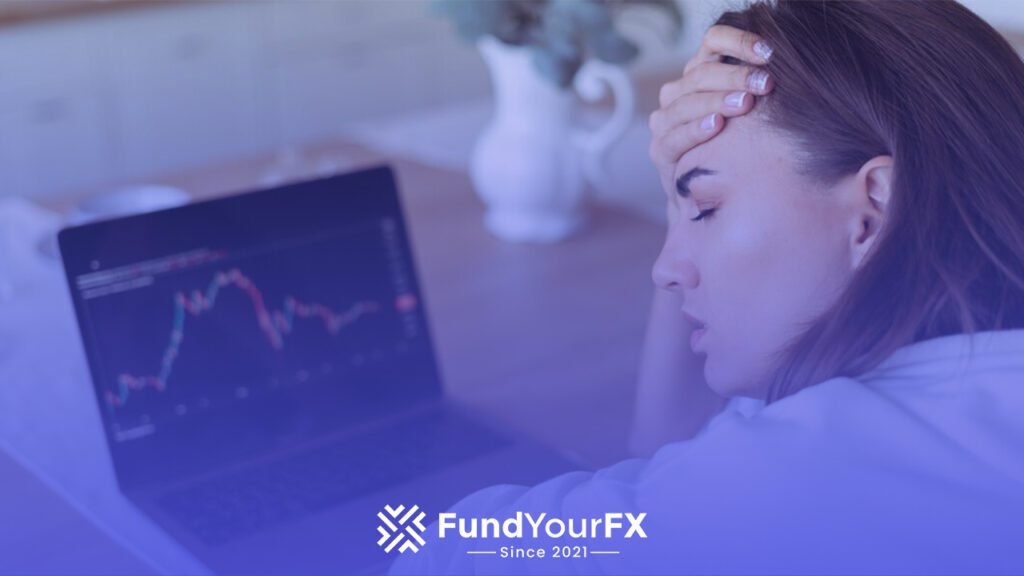
Whether it’s market volatility or personal financial stress, these triggers can lead to impulsive decisions. Implementing mindfulness techniques — pausing to assess your emotions before acting — can help you regain clarity. A systematic approach that emphasizes money management will mitigate emotional impact.
Implementing Trading Discipline
Establishing structured trading routines helps minimize impulsive reactions. Adhere to a well-defined trading plan. Utilizing accountability partners — or trading within a prop firm where strict rules enforce discipline — can enhance your consistency.
Setting Clear Goals
Establish goals that are specific, measurable, achievable, relevant, and time-bound (SMART). If you’re wondering what’s realistic, check our guides on day trading with $1,000 and day trading with $25,000 for practical benchmarks.
Trading Without a Plan

Trading without a plan is a recipe for disaster. Here are three critical components of a solid trading plan:
- Clear Trading Strategies: Define your entry and exit points.
- Market Analysis: Use chart patterns, support and resistance, and candlestick analysis to assess conditions.
- Performance Evaluation: Keep a trading diary to document trades and refine your strategy.
Ignoring Risk Management
Ignoring risk management can severely undermine your success. By neglecting stop-loss orders, you risk letting losses spiral. Poor position sizing can expose you to unnecessary financial strain.
Setting Stop-Loss Orders
These orders automatically close a position at a predetermined price. Set levels that align with your risk tolerance and the asset’s volatility. Use trailing stops to lock in profits as price moves in your favor.
Position Sizing Strategies
Use our lot size calculator guide and maintain a proper risk-to-reward ratio of at least 1:1.5 on every trade.
Chasing Performance
Chasing performance is a tempting yet dangerous mistake. Many traders buy assets based solely on recent strong performance. This behavior is rooted in psychology, where emotional biases overshadow logical analysis. Instead, focus on a disciplined approach using trend following and proper market sentiment analysis.
Overconfidence After Profits
Many traders experience overconfidence after profitable trades. This often leads to:
- Risk neglect: Underestimating potential losses and ignoring market traps.
- Increased volume without adequate risk assessment.
- Profit paralysis: Fear of losing gains prevents executing well-planned trades.
Track your profit factor to maintain objectivity about your actual performance.
An Introduction to Proprietary Trading Firms
A proprietary trading firm provides traders with capital to trade without risking their own money. Traders must demonstrate skills and risk management before receiving funding. Some firms require you to pass an evaluation, while others like FundYourFX offer instant funding with no challenge. The strict drawdown rules at prop firms actually help traders avoid these common mistakes by enforcing discipline. Learn how to become a funded trader.
Conclusión
To succeed in trading, you must recognize and avoid these common mistakes. By managing emotions, crafting a solid plan, prioritizing risk management, resisting the urge to chase performance, and staying grounded after profits, you can enhance your results. Continue your education with our learn forex step by step guide.